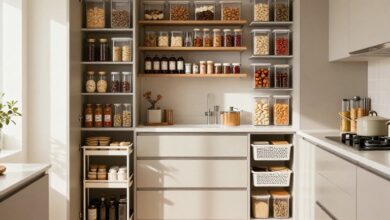
20 Smart Kitchen Pantry Organization Ideas to Maximize Every Inch

20 Smart Kitchen Pantry Organization Ideas to Maximize Every Inch
If your kitchen pantry feels crowded, messy, or difficult to use, you don’t necessarily need a bigger space. The right kitchen pantry organization ideas can help you maximize every shelf, corner, drawer, and vertical space while keeping everyday ingredients easy to find.
From clear containers and labeled baskets to vertical storage and clever door organizers, these practical pantry organization ideas can transform even a small pantry into a clean, functional, and attractive storage space.
Whether you have a walk-in pantry, a small cabinet, or a few kitchen shelves, these 20 smart pantry organization ideas will help you make better use of the space you already have.
1. Use Clear Containers for Dry Ingredients

Clear containers are one of the easiest ways to make a pantry look organized. Transfer flour, rice, pasta, cereal, oats, and other dry ingredients into matching airtight containers so you can quickly see what you have.
Using containers of similar shapes also creates a cleaner appearance and can help you use shelf space more efficiently.
2. Group Similar Foods Together
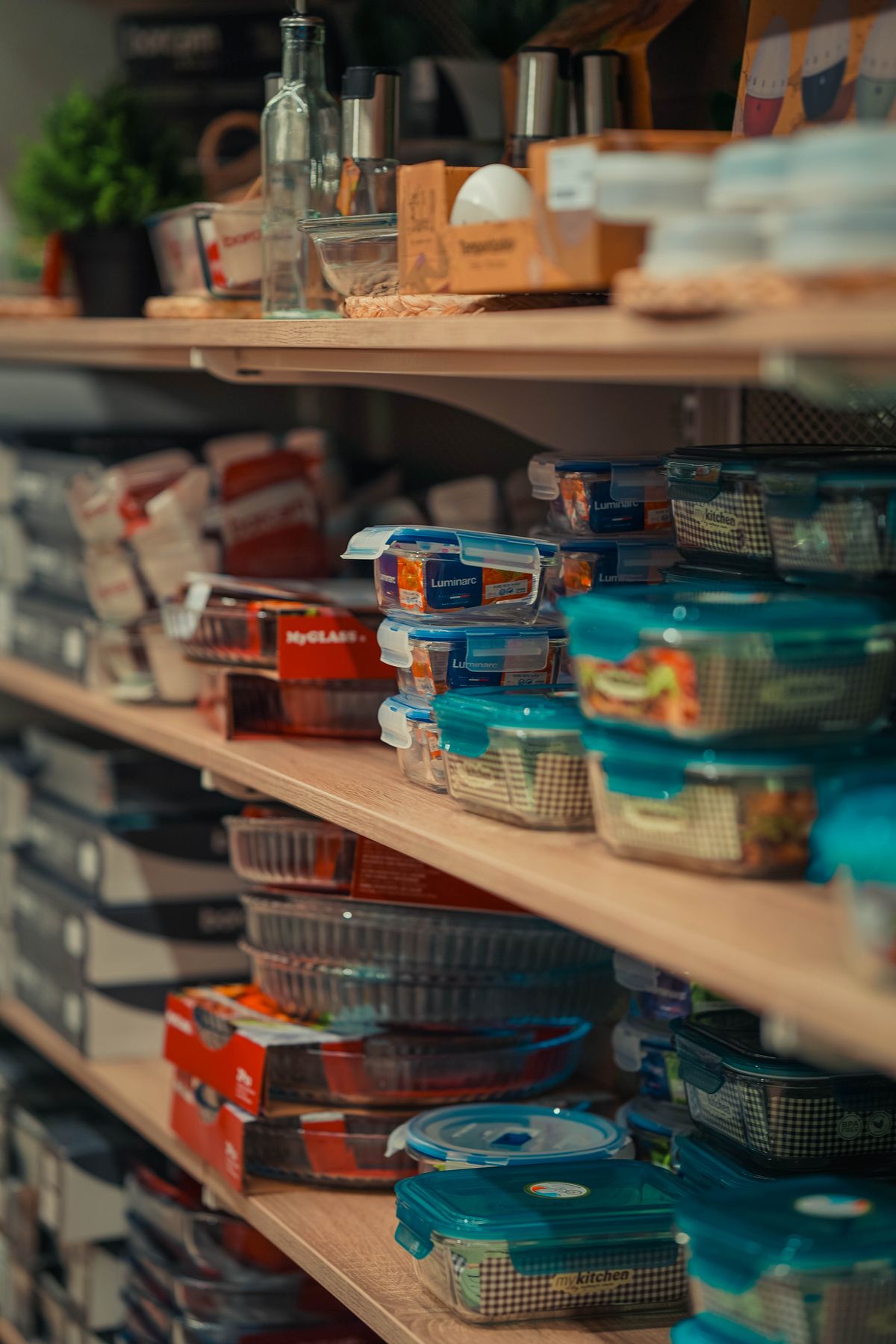
Instead of placing groceries wherever there is room, create simple zones. Keep baking supplies together, snacks in another area, canned foods in one section, and breakfast ingredients in another.
This makes your pantry easier to navigate and reduces the time you spend searching for individual ingredients.
3. Take Advantage of Vertical Space

One of the biggest mistakes in pantry organization is leaving unused vertical space between shelves. Add stackable shelves, risers, or small organizers to create additional levels.
This simple change can turn one tall shelf into two practical storage zones.
4. Add Shelf Risers

Shelf risers are particularly useful for cans, jars, sauces, and smaller packages. They create a second level and allow items at the back to remain visible.
Choose adjustable risers when possible so you can change the arrangement as your storage needs evolve.
5. Create a Dedicated Snack Zone
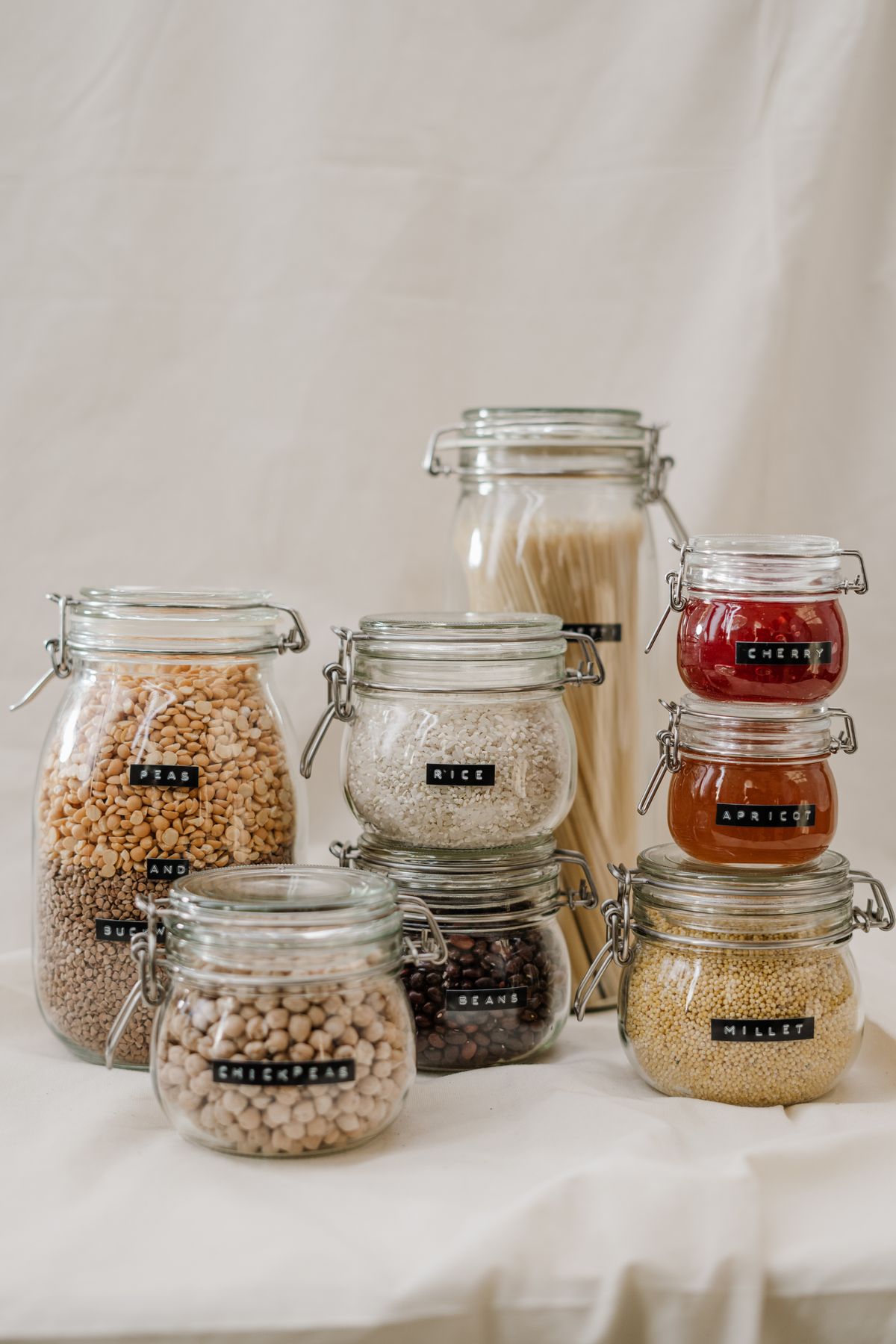
Keep frequently grabbed snacks together in one easily accessible area. Use baskets or bins for granola bars, crackers, chips, and individually packaged foods.
A dedicated snack zone makes it easier to maintain the pantry because everyone knows exactly where these items belong.
6. Use Baskets to Control Small Items

Baskets are perfect for items that are difficult to stack neatly. Use them for packets, snack bags, baking accessories, or small food packages.
Instead of having several loose packages scattered across the shelf, place them inside one basket and pull the basket forward when needed.
7. Store Cans in One Easy-to-See Area

Cans can quickly become difficult to manage because smaller cans disappear behind taller ones. Keep canned foods together and consider using a tiered organizer.
Arrange them so labels remain visible. This makes it easier to check your inventory before buying more groceries.
8. Organize Pantry Items by Frequency of Use

Not everything in your pantry needs to be equally accessible. Place everyday ingredients at eye level and move occasional-use items to higher or lower shelves.
This creates a pantry layout that works around your real daily routine rather than simply looking tidy.
9. Use Labels to Keep Everything in Its Place
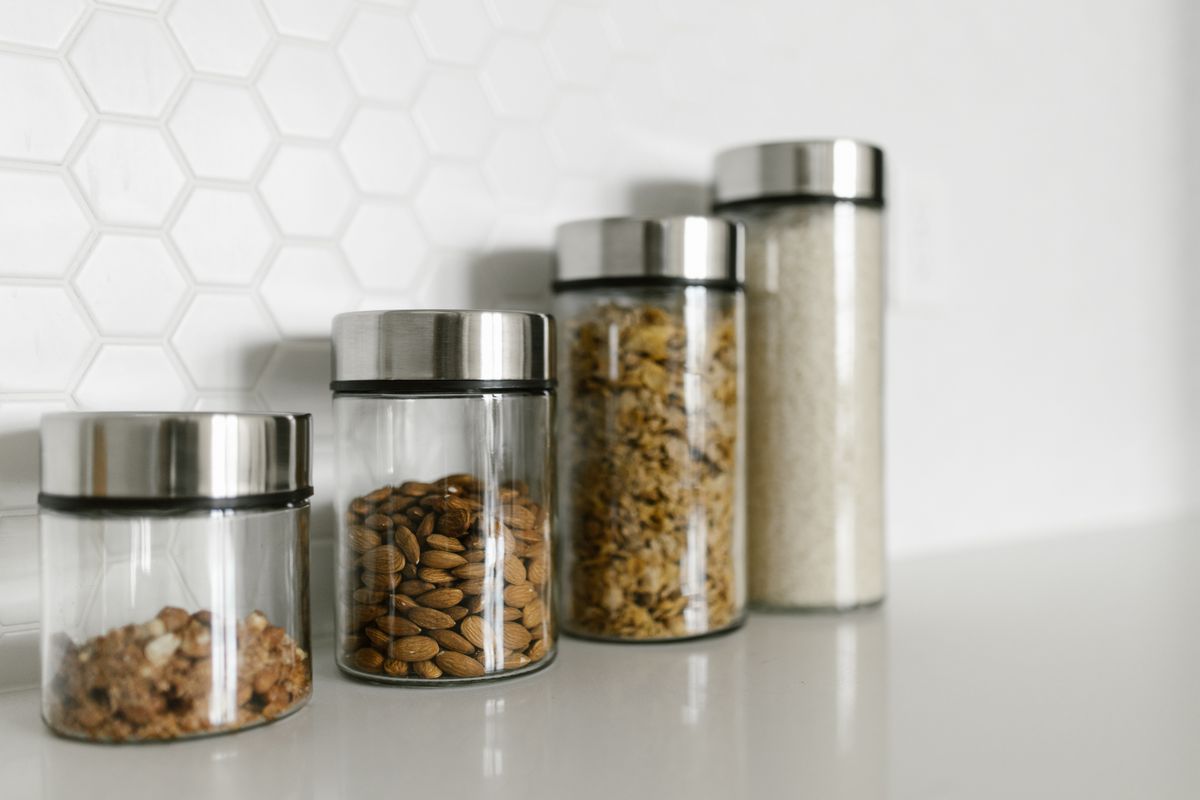
Simple labels can make a major difference, especially when you use similar containers. Label categories such as flour, sugar, rice, pasta, snacks, baking supplies, and breakfast foods.
Labels also make it easier for everyone in the household to return items to the correct location.
10. Create a Baking Station

If you bake regularly, create a dedicated baking zone. Keep flour, sugar, baking powder, cocoa, chocolate chips, sprinkles, and other baking ingredients together.
Keeping these ingredients in one area makes preparation faster and prevents duplicate purchases.
11. Use the Pantry Door for Extra Storage
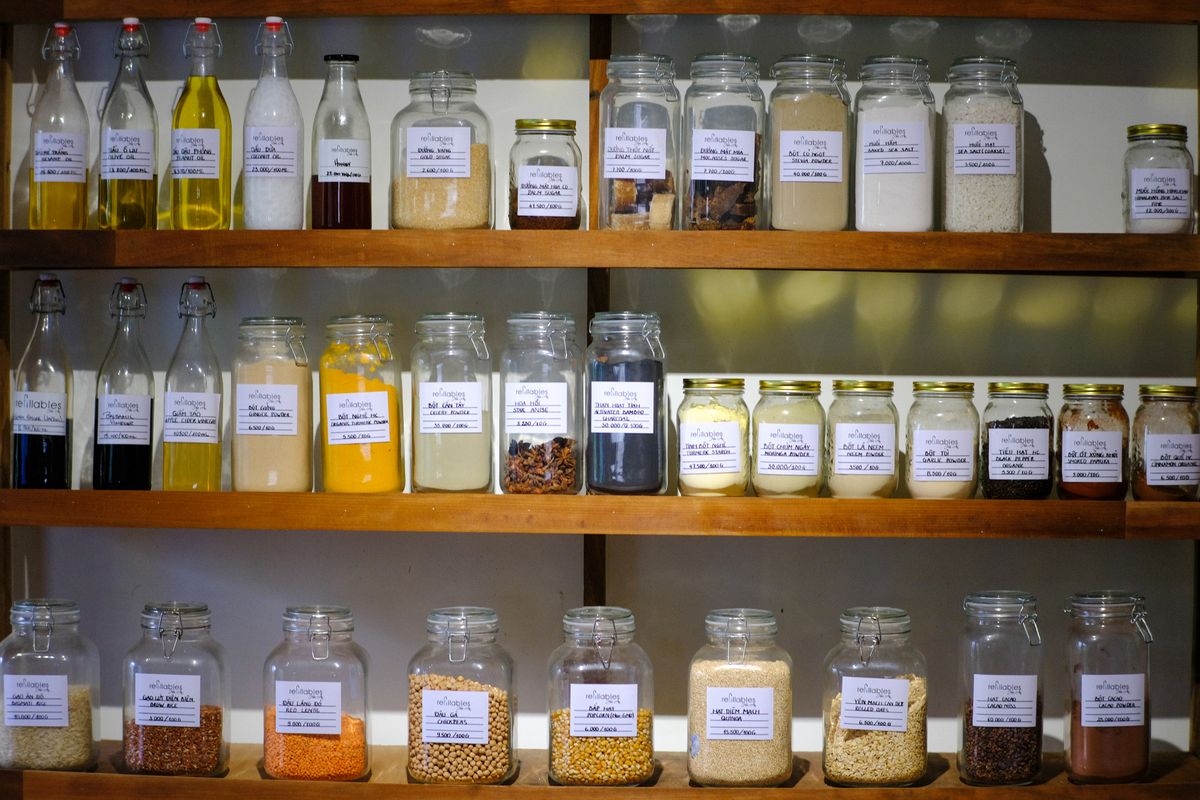
The inside of a pantry door can become valuable storage space. A slim over-the-door organizer can hold spices, packets, small bottles, wraps, and other lightweight items.
Make sure the organizer does not prevent the door from closing properly.
12. Keep Spices Together

Spices are small, but they can create a surprisingly messy pantry. Store them together using a spice rack, drawer organizer, or small tiered shelf.
Arrange frequently used spices toward the front so you do not have to move everything around while cooking.
13. Use Matching Storage Containers

Matching containers can give your pantry a more cohesive appearance while making stacking easier. Choose containers with flat lids and similar dimensions when possible.
You do not need to replace everything at once. Start with the ingredients you use most often.
14. Stack Containers Instead of Spreading Them Out

When containers are designed for stacking, you can use vertical space much more efficiently. This is especially helpful in small cabinets where every inch matters.
Keep heavier containers on lower shelves and lighter ones higher up for easier access.
15. Add Pull-Out Storage for Deep Shelves

Deep pantry shelves often create a hidden storage problem because items at the back are easy to forget. Pull-out bins or sliding organizers solve this problem by bringing everything forward.
Use them for bottles, cans, sauces, and other items that would otherwise disappear behind the front row.
16. Store Bulk Items Strategically

Buying in bulk can save money, but large packages can quickly overwhelm a small pantry. Keep backup supplies in a designated area instead of mixing them with your everyday food.
Only keep the amount you regularly need in the main pantry and store excess supplies elsewhere if possible.
17. Use Baskets for Produce and Root Vegetables

Wicker or ventilated baskets can be useful for suitable produce and pantry items that need to remain accessible. Group similar items together rather than leaving them loose on shelves.
Always follow appropriate storage conditions for each type of produce to maintain freshness.
18. Create a Small Breakfast Zone
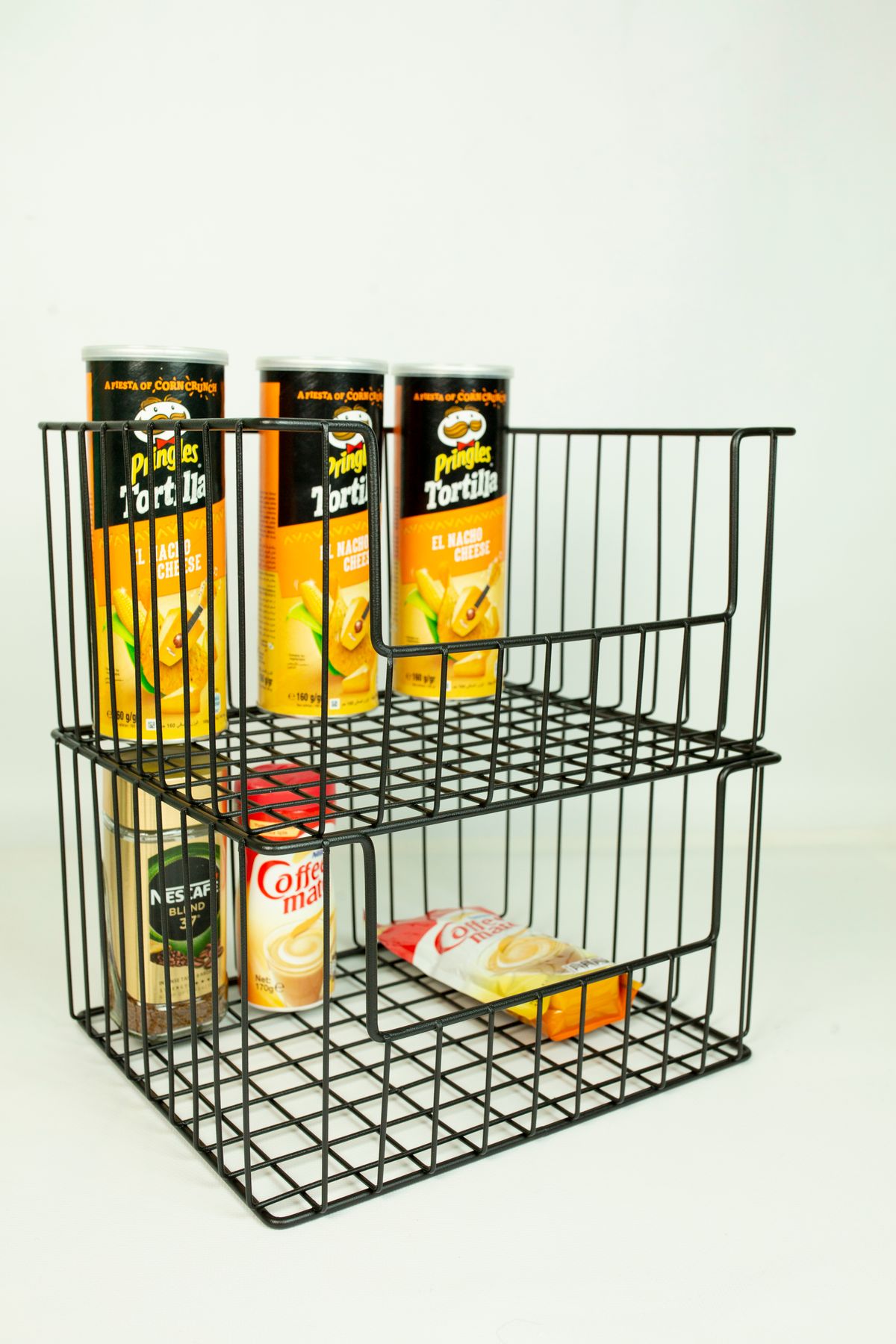
Make busy mornings easier by keeping breakfast essentials in one area. Cereal, oats, spreads, coffee, tea, and other morning staples can share a dedicated zone.
Place this section at a convenient height so frequently used items are easy to reach.
19. Leave Some Empty Space
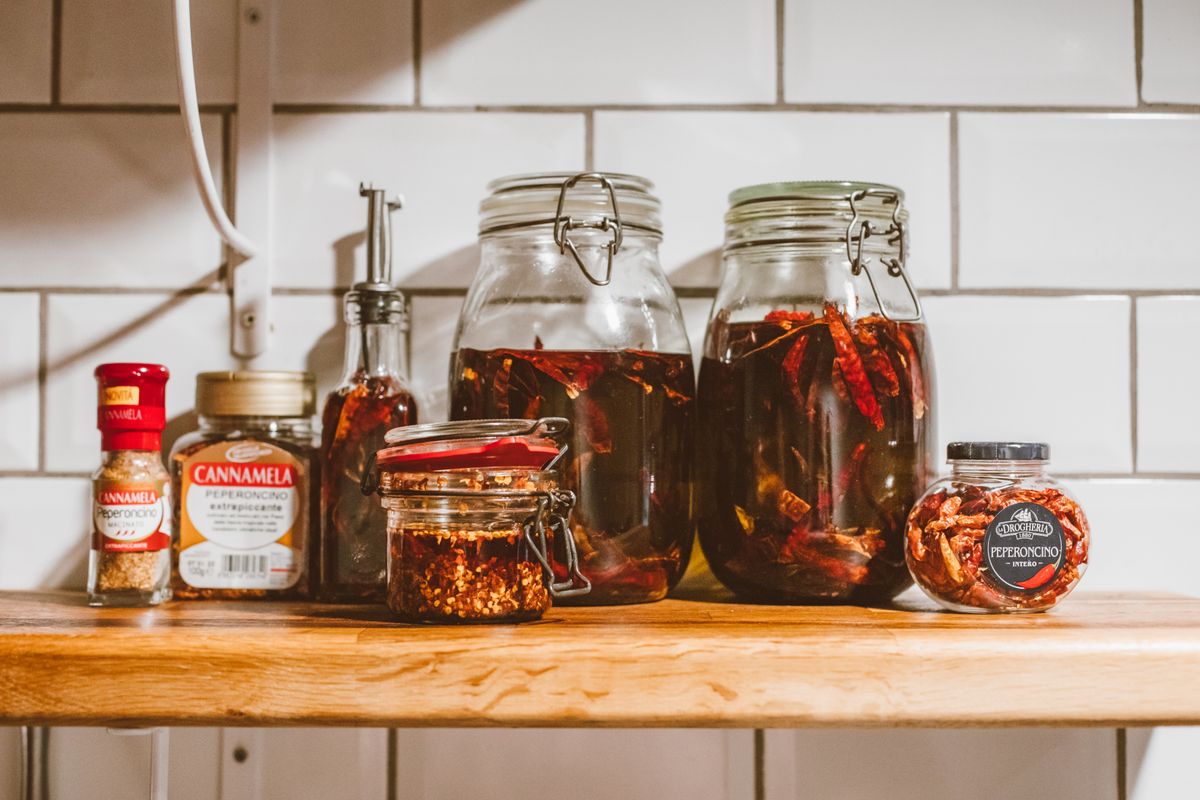
A perfectly packed pantry is not necessarily an efficient pantry. Leave some breathing room between categories so you can easily remove and replace items.
Empty space also gives you flexibility when you buy new groceries or need temporary storage for larger packages.
20. Do a Quick Pantry Reset Every Week

The easiest way to keep your pantry organized is to maintain it regularly. Once a week, spend a few minutes putting items back in their zones, checking nearly empty containers, and bringing older products forward.
A short weekly reset prevents small messes from becoming a major organizing project later.
Final Thoughts
A well-organized pantry is not about buying dozens of expensive organizers. It is about creating a system that makes sense for your kitchen, your available space, and the way you actually use your groceries.
Start with a few simple changes such as grouping similar foods, using clear containers, maximizing vertical space, adding baskets, and labeling important categories. Once those systems are working, you can gradually improve the rest of your pantry.
With these kitchen pantry organization ideas, even a small pantry can become easier to use, easier to maintain, and much more functional.
Looking for more practical home organization ideas? Explore more ideas on GhuzelHome.